Menu
Menu
Introduction
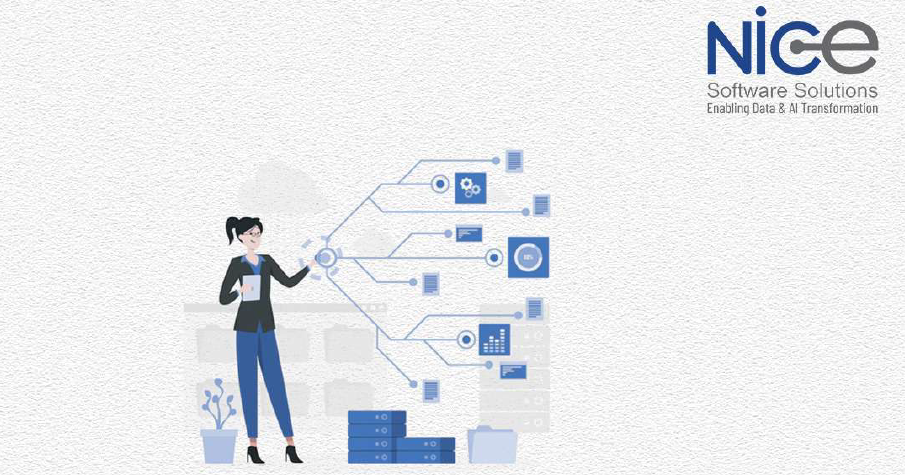
In today’s data-driven world, organizations are tasked with efficiently processing and analyzing vast amounts of data to derive valuable insights. Data pipelines serve as the backbone of this process, facilitating the ingestion, processing, and transformation of data from various sources into actionable insights. However, building scalable data pipelines comes with its own set of challenges, requiring careful planning and consideration of best practices and tools. In this blog post, we’ll explore the best practices and tools for designing and implementing scalable data pipelines on the Azure cloud platform.
Architecture Considerations
When designing data pipelines for scalability, it’s essential to consider the architecture carefully. Batch processing and real-time streaming are two common architectural patterns used in building data pipelines.
- Batch Processing vs. Real-time Streaming:
Batch processing involves processing data in large batches at scheduled intervals, while real-time streaming processes data as it arrives. Organizations must assess their requirements and choose the architecture that best fits their use case.
- Scalability, Latency, and Cost Trade-offs:
Each architecture has its own trade-offs in terms of scalability, latency, and cost. Batch processing may be more cost-effective for scenarios where low latency is not a priority, while real-time streaming offers faster insights but may incur higher costs.
Design Principles for Scalability
Scalability is a key consideration when designing. To achieve scalability, it’s essential to follow certain design principles.
- Parallelization:
Breaking down data processing tasks into smaller, independent units enables parallel execution and improves scalability. Azure Databricks provides a scalable platform for parallel processing, allowing organizations to process large volumes of data efficiently.
- Fault Tolerance:
Designing data pipelines with built-in fault tolerance mechanisms ensures continuous operation in the event of failures or disruptions. Azure Data Factory offers fault tolerance features, such as automatic retry and error handling, to ensure the reliability of data pipelines.
Data Pipeline Tools and Technologies
Several tools and technologies are available for building scalable data pipelines on the Azure cloud platform.
- Azure Data Factory:
Azure Data Factory is a cloud-based data integration service that enables organizations to build, schedule, and monitor data pipelines. It provides a visual interface for designing data workflows and supports integration with various data sources and destinations.
- Azure Databricks:
Azure Databricks is a unified analytics platform that provides a scalable environment for building data pipelines with Apache Spark. It offers built-in support for parallel processing and in-memory computation, making it ideal for processing large volumes of data.
- Azure Stream Analytics:
Azure Stream Analytics is a real-time analytics service that allows organizations to process and analyse streaming data in real time. It provides built-in support for windowing, aggregation, and filtering, enabling organizations to derive insights from streaming data streams.
Best Practices for Implementation
Implementing scalable data pipelines on Azure requires adherence to best practices.
- Data Ingestion:
Efficient data ingestion is crucial for building scalable data pipelines. Organizations should choose appropriate data formats and compression techniques to minimize storage and processing costs. Azure Event Hubs and Azure Blob Storage are popular choices for data ingestion on Azure.
- Data Transformation:
Efficient data transformation techniques are essential for optimizing data processing performance. Azure Databricks provides a scalable platform for data wrangling and transformation, enabling organizations to process large volumes of data efficiently.
- Data Storage:
Selecting scalable and cost-effective data storage solutions is essential for storing large volumes of data. Azure Data Lake Storage and Azure SQL Data Warehouse are popular choices for data storage on Azure, offering scalability and performance at a reasonable cost.
- Monitoring and Debugging:
Robust monitoring, logging, and debugging mechanisms are essential for ensuring the reliability and performance of data pipelines. Azure Monitor and Azure Log Analytics provide tools for monitoring and troubleshooting data pipelines, allowing organizations to identify and address issues proactively.
Case Studies and Examples
Several organizations have successfully implemented scalable data pipelines on Azure to handle large volumes of data.
- ABCXYZ.com:
ABCXYZ.com leverages Azure Data Factory and Azure Databricks to build scalable data pipelines for real-time analytics and personalized recommendations. By processing large volumes of data efficiently, ABCXYZ.com is able to deliver personalized shopping experiences to its customers.
- XYZ Systems:
XYZ Systems uses Azure Stream Analytics and Azure Event Hubs to process massive volumes of sensor data from power grids for predictive maintenance. By analyzing streaming data in real time, XYZ Systems can detect anomalies and predict equipment failures before they occur.
Future Trends and Considerations
Looking ahead, several emerging trends and technologies are shaping the future of data engineering on Azure.
- Serverless Computing:
Serverless computing offers a scalable and cost-effective approach to building data pipelines on Azure. Azure Functions and Azure Logic Apps provide serverless computing capabilities, allowing organizations to focus on building data pipelines without managing infrastructure.
- Machine Learning Pipelines:
Machine learning pipelines automate the process of building, deploying, and monitoring machine learning models. Azure Machine Learning and Azure Databricks provide tools for building end-to-end machine learning pipelines on Azure, enabling organizations to derive insights from their data.
- Data Mesh Architecture:
Data mesh architecture promotes decentralized data ownership and governance, enabling organizations to scale their data infrastructure effectively. By adopting a data mesh architecture on Azure, organizations can improve data accessibility, agility, and scalability.
Conclusion
Building scalable data pipelines on Azure requires careful consideration of architecture, design principles, tools, and best practices. By following these guidelines and leveraging the right tools and technologies provided by Azure, organizations can build robust data pipelines that can scale to handle large volumes of data effectively. As data continues to grow in volume and complexity, scalable data pipelines on Azure will remain essential for organizations to unlock the full potential of their data and gain a competitive edge in the market.
AI solutions partnering with businesses to solve
complex challenges and thrive in the age of Data & AI.

Neeraj Deval
VP Professional Services
Recent Blogs


RAG, the Bridge Between Memory
09 Oct, 2025

Generative Artificial Intelligence AI vs. LLMs
09 Oct, 2025

Data Engineering in Microsoft Fabric
08 Oct, 2025

CLAIRE for Data Engineering Services
07 Oct, 2025