Menu
Menu
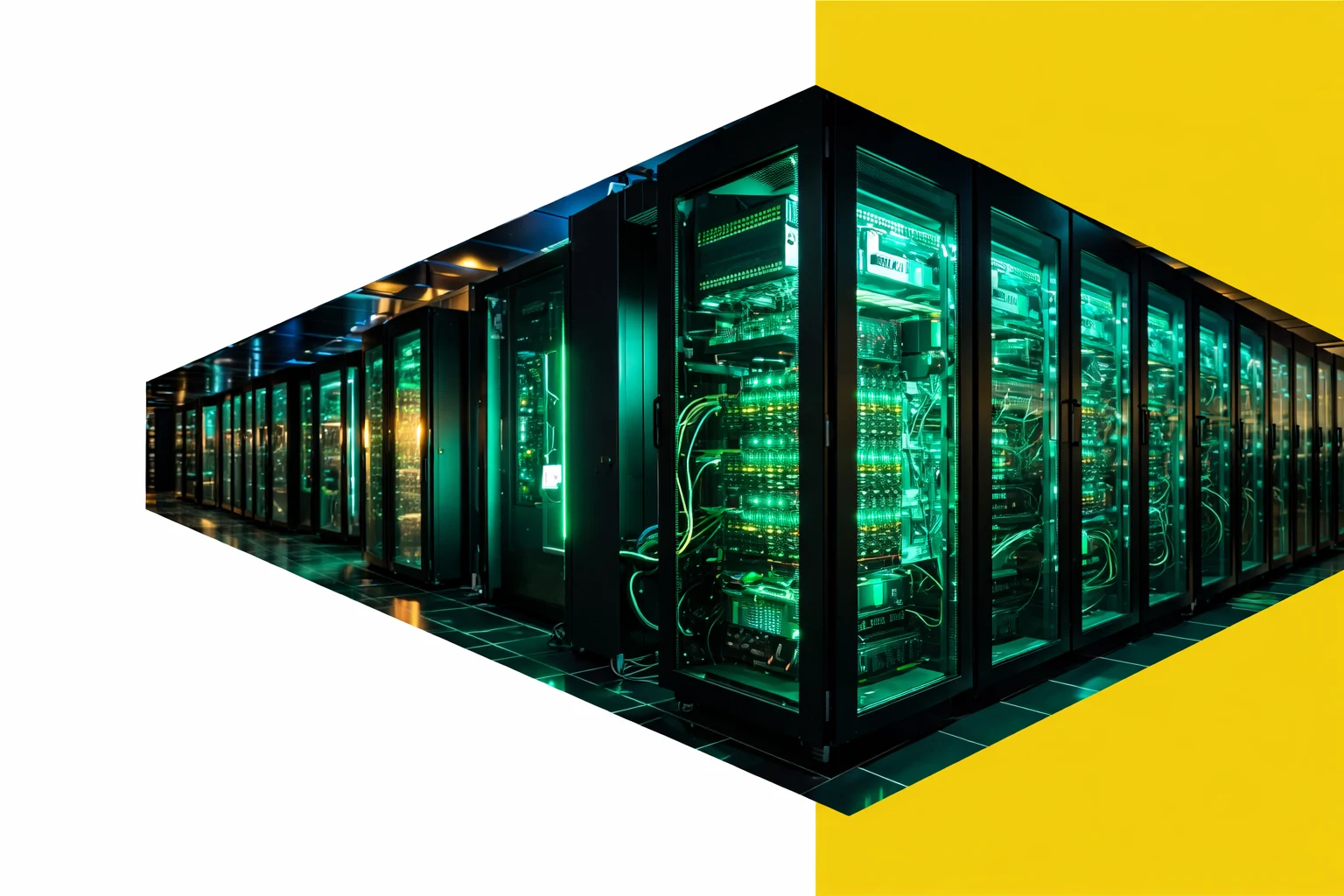
INTRODUCTION TO VIRTUAL WAREHOUSES:
In the realm of cloud-based data warehousing, Snowflake stands out as a powerful and versatile platform. Central to Snowflake’s architecture is the concept of Virtual Warehouses, a key component that enables users to scale compute resources on-demand, optimize performance, and manage costs effectively. In this guide, we delve deep into the world of Snowflake Virtual Warehouses, exploring their features, benefits, cost considerations, use cases, and best practices.
UNDERSTANDING VIRTUAL WAREHOUSES:
- What are Virtual Warehouses?
In Snowflake, a Virtual Warehouse (VW) is a cluster of compute resources, separate from storage, that processes queries on data stored within Snowflake’s cloud storage. Unlike traditional data warehouses where compute and storage are tightly coupled, Snowflake’s architecture decouples these components, allowing for independent scaling of each.
- How do Virtual Warehouses Work?
When a query is submitted to Snowflake, the Virtual Warehouse allocates the required compute resources to execute the query. Once the query completes, the resources are released, minimizing idle time and optimizing cost efficiency. This elasticity ensures that users can scale compute resources up or down based on workload demands, all without impacting the underlying data.
KEY FEATURES OF SNOWFLAKE VIRTUAL WAREHOUSES:
- Elastic Scalability: Scale compute resources up or down instantly based on workload requirements.
- Isolation:
Separate workloads into different Virtual Warehouses to prevent interference.
- Concurrency:
Run multiple workloads concurrently without performance degradation.
- Optimized Performance:
Allocate the right amount of compute power for different types of queries.
- Automatic Suspension:
Virtual Warehouses automatically suspend after a period of inactivity, reducing costs.
- Auto-Suspend and Auto-Resume:
Pause and resume Virtual Warehouses to further optimize costs during off-peak hours.
- Built-in Workload Management:
Prioritize and manage workloads effectively within Virtual Warehouses.
COST CONSIDERATIONS
- Compute Size:
Larger Virtual Warehouses with more compute resources will incur higher costs.
- Compute Hours:
Pay for the actual compute hours used, with automatic suspension helping to reduce idle costs.
- Data Processing: Costs are also based on the amount of data processed during queries.
Snowflake provides detailed billing and usage reports, allowing users to monitor and optimize costs effectively. By right-sizing Virtual Warehouses, leveraging autoscaling, and managing workloads efficiently, organizations can optimize costs while maintaining performance.
USE CASES:
-
Ad Hoc Analysis:
Data analysts and scientists can spin up lightweight Virtual Warehouses to explore and analyze data without impacting production workloads. -
ETL and Data Loading:
Load massive volumes of data into Snowflake from various sources using dedicated Virtual Warehouses optimized for these tasks. -
Reporting and Dashboards:
Empower business users with fast, responsive dashboards by allocating sufficient compute resources to the reporting Virtual Warehouse. -
Machine Learning and AI:
Train models and run complex algorithms on large datasets by scaling compute resources dynamically with ML-focused Virtual Warehouses.
BEST PRACTICES:
-
Right-Sizing Virtual Warehouses:
Choose the appropriate size (small, medium, large, etc.) based on workload characteristics to optimize performance and costs. -
Autoscaling:
Enable autoscaling to automatically adjust compute resources based on workload demands, ensuring consistent performance without manual intervention. -
Workload Management:
Utilize Snowflake’s workload management features to allocate resources based on priority, ensuring critical workloads get the necessary compute power. -
Monitoring and Optimization:
Regularly monitor Virtual Warehouse usage, query performance, and costs. Optimize queries and resource allocation based on insights gathered.
CONCLUSION:
Snowflake Virtual Warehouses offer a dynamic and cost-effective solution for managing compute resources in the cloud. By decoupling compute from storage and providing elastic scalability, Snowflake empowers organizations to handle diverse workloads efficiently. Whether it’s ad hoc analysis, ETL processes, reporting, or advanced analytics, Virtual Warehouses provide the flexibility and performance needed to drive insights and innovation.
Would you like me to help you draft a summary or a specific presentation slide based on these exact sections?
AI solutions partnering with businesses to solve
complex challenges and thrive in the age of Data & AI.

Neeraj Deval
VP Professional Services
Recent Blogs


Generative Artificial Intelligence AI vs. LLMs
09 Oct, 2025

Data Engineering in Microsoft Fabric
08 Oct, 2025

CLAIRE for Data Engineering Services
07 Oct, 2025